

Valencia is Spain’s third-biggest city, often overlooked by Madrid and Barcelona. While Valencia is becoming a growing destination, known for paella and its unique blend between historic and modern architecture, there is still plenty to discover. From culinary customs to hidden neighbours, these insider tips and tricks will help you discover Valencia like a local.
Paella is for lunch, not dinner
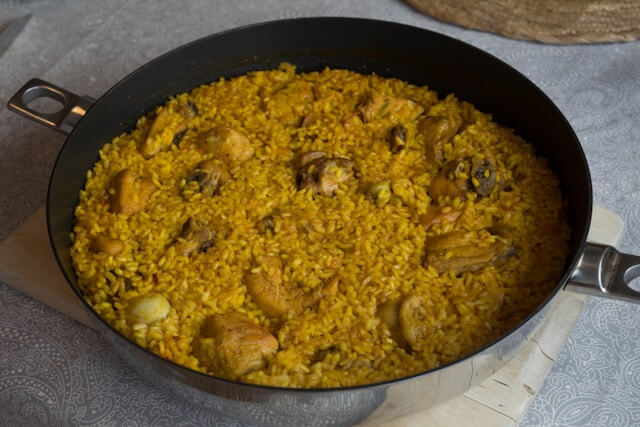
If you want to avoid looking like a tourist, the easiest thing you can do is order a paella at the correct time – lunch, not dinner. Paella is always a lunchtime dish and is enjoyed typically between around 1.30pm-3.30pm.
Valencia is the birthplace of paella so it’s no surprise that the local people are very precious about their traditions. That’s another thing – in Valencia we only refer to the traditional Valencian paella (chicken, rabbit, green beans and lima beans) as paella. All other rices, such as seafood rices or vegetable rices, are simply called arroz.
There are plenty of places all over the city where you can try this famous dish. You can also head out of the city to Albufera and eat paella among the wetlands where the rice is grown!
Celebrate like a Valencian
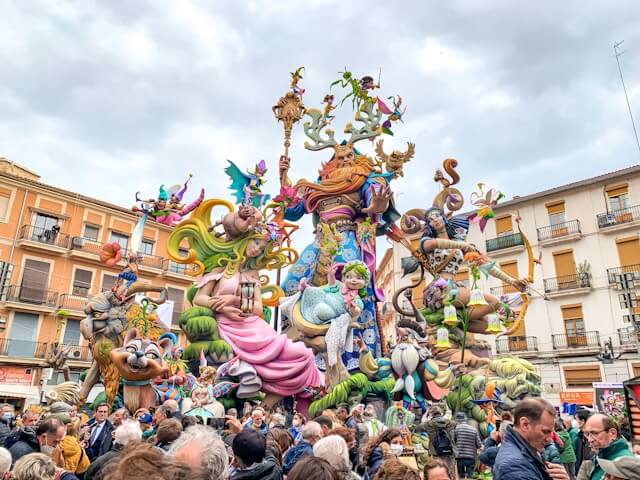
Valencia is known for having a full calendar of celebrations throughout the year, the biggest being Las Fallas in March. From parades and fireworks on Nou d’Octubre and bonfires on the beach for San Juan to the world’s largest tomato-throwing fight, there is no shortage of entertainment throughout the year.
Even without specific Valencia festivals, the city comes alive with parties all year round. Look out for discomoviles throughout the year – a street party with a DJ.
Want to live Fallas like a local? Check out the Fallas Insider Scoop Tour!
Go thrift shopping in Ruzafa
Ruzafa is known as the hipster district of Valencia, comparable to London’s Shoreditch or New York City’s Williamsburg. As well as a diverse culinary scene and some of the best coffee you’ll find in the city, it’s also home to some great indie boutiques and second-hand stores. If you’re looking to return from Valencia with a cool new addition to your wardrobe, this place will not disappoint.
Whether you’re a shopaholic or not, Ruzafa is definitely worth a visit. From trendy bars and craft beers, to live music and cultural events, this area is the place to be.
Get around like a local
A big city with a small town feel, Valencia is also incredibly easy to get around. The metro, bus and tram routes cover the entire city making it easy to get from A to B. You can purchase a “Bono T” card which lets you purchase multiple trips at a discounted rate. For shorter distances, you could rent a Valenbisi – the city’s public bike-sharing program.
Love to walk? You’re in luck. As nowhere is very far away, the city is perfectly walkable. Beautiful green spaces, like the Turia Gardens running through the city, make Valencia a joy to explore by foot.
Cool down with an horchata
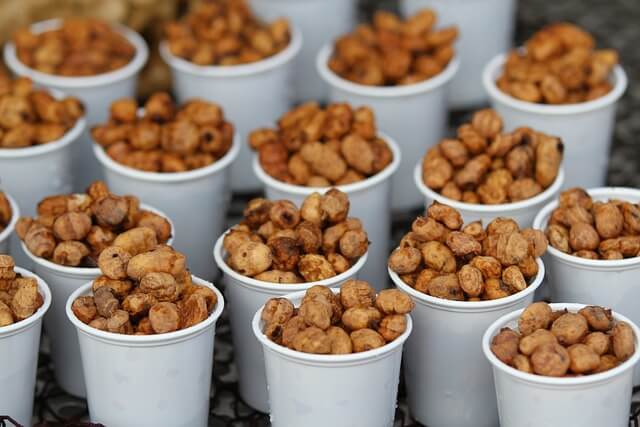
The typical drink of the region is an horchata – a refreshing drink made with tiger nuts and sugar. This sweet treat is the perfect pick-me-up between sightseeing. You can enjoy them at a traditional horchatería, such as Horchatería Santa Catalina or Horchatería Daniel.
To enjoy a horchata in the most authentic way, make sure to also order some fartons. Don’t be put off by the name. This is a long, spongy pastry covered in sugar that is to be dipped into the horchata. Delicious!
Enjoy the beaches off the beaten path
Malvarrosa is Valencia’s busiest and most popular beach – with plenty of beachfront restaurants and lots of hustle and bustle. Patacona, slightly further up, is home to lots of chiringuitos (beach bars) in the summer months.
Further up still, and reachable by a very pleasant cycle route, is Port Saplaya. Referred to as “the Venice of Valencia”, Port Saplaya is full of winding canals and colorful buildings that make you feel like you’re on the Italian riviera. It also has its own beachfront, good restaurants and a horchatería on the corner – perfect for an horchata or ice cream in the sun.
Discover the Maritime history
If you’re looking for authenticity, why not check out this more unseen area of Valencia? El Cabanyal, a beachside neighborhood, is Valencia’s historic fishing village. Now a top foodie spot, Cabanyal still has plenty of traditional charm from back in the day. Browse the streets to find some real architectural gems, including patterned tile facades and houses in every color of the rainbow.
It is still home to the Lonja de Pescadores – a fresh fish and seafood market – and the recently renovated El Grao market where you can sample some of Cabanyal’s best produce.
What the Locals Do in Valencia
Valencia seamlessly blends the historic and the modern, nature and urban. These insider tips let you experience Valencia like a local, enjoying authentic experiences and uncovering the city’s best kept secrets. Whether you’re eating like a local with a paella for lunch, exploring the eclectic neighborhoods or partying like a Valencian, these tips allow you to get the most out of your Valencia holiday.