


For those looking to travel sustainably, look no further than Valencia. Named European Green Capital for 2024, it’s no surprise that the city is becoming a popular destination for eco-conscious travelers. Known for its sunny climate, rich cultural heritage, and innovative sustainable initiatives, Valencia offers an ideal setting for those looking to minimize their environmental impact while still enjoying an unforgettable travel experience. In this guide, we’ll explore what sustainable travel means, what makes a travel experience sustainable, and how to travel responsibly in Valencia.
What is Sustainable Travel?
Sustainable travel, also known as responsible or eco-friendly travel, involves minimizing the negative impact of tourism on the environment, economy, and local communities. It is about making choices that help protect the natural environment, support local economies, and respect the culture and traditions of the places you visit.
Key Elements of Sustainable Travel:
- Environmental Protection: Reducing your carbon footprint, conserving natural resources, and minimizing waste.
- Support for Local Economies: Prioritizing local businesses, accommodations, and services to ensure that tourism benefits the community.
- Cultural Preservation: Respecting the customs, traditions, and heritage of the destination you’re visiting.
- Low-Impact Activities: Engaging in activities that don’t harm the environment or disturb local wildlife.
By adopting sustainable travel practices, you can contribute to the long-term preservation of destinations like Valencia and ensure they remain vibrant and healthy for future generations.
How to Travel Sustainably in Valencia
To make travel more sustainable, both tourists and destinations need to embrace responsible practices. Here’s a breakdown of what makes a travel experience sustainable:
1. Stay in Eco-Friendly Accommodation
Choosing environmentally responsible accommodations is one of the best ways to reduce your impact. Many hotels, hostels, and Airbnb properties now incorporate green practices, such as energy-efficient lighting, water conservation systems, and waste recycling programs. Some may also offer locally-sourced, organic food and use eco-friendly cleaning products.
Look for establishments that hold certifications from organizations like Green Key or EarthCheck, which guarantee eco-friendly practices. Many local guesthouses and boutique hotels also focus on sustainability by using renewable energy, offering organic food, and supporting local artisans.
2. Minimize Transportation Emissions
Transportation, particularly air travel and car usage, is a major contributor to carbon emissions. To make your travel experience more sustainable, opt for low-impact transportation options whenever possible, such as trains, bicycles, or walking.

Valencia is extremely bike-friendly, with over 150 kilometers of bike lanes. You can rent a bike through the city’s bike-sharing service, Valenbisi, or from local rental shops. Cycling not only reduces your carbon footprint but also allows you to explore the city at your own pace.
Alternatively, Valencia’s public transportation system, including buses, trams, and the metro, is efficient, eco-friendly and easy to navigate. Using public transport instead of renting a car helps reduce emissions and supports the city’s green initiatives. Walking is another great way to explore Valencia’s historic center, beaches, and parks in a sustainable manner.
3. Consume Consciously
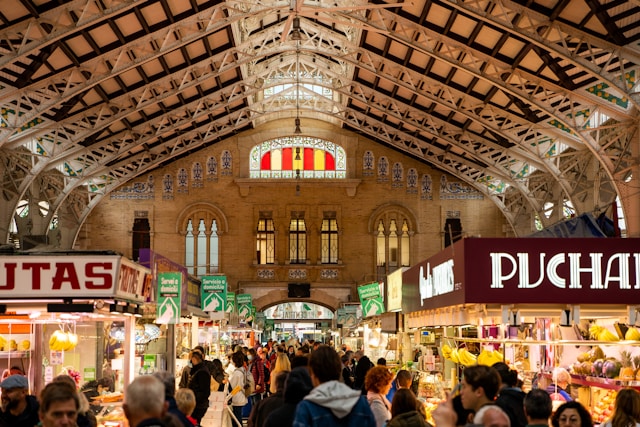
Sustainable travel also means being mindful of what you consume. One of the best ways to travel sustainably is by supporting local businesses. Valencia is home to food markets like the Mercado Central and Mercado de Ruzafa, where you can buy locally grown fruits, vegetables, fresh coffee and regional specialties. You can also choose local, independent restaurants rather instead of seeking out your favorite chains.
When shopping for souvenirs, seek out locally made handicrafts and products rather than mass-produced items. Many artisans in Valencia create unique, sustainable products like ceramics, textiles, and organic cosmetics that make great eco-friendly gifts. This is also a way of enjoying slow travel in Valencia, appreciating each moment as it comes.
4. Respect Local Communities
Sustainable travel is not just about the environment; it’s also about respecting the people who live in the places you visit. When travelling sustainably in Valencia, a key part is immersing yourself in the local culture in a respectful way, learning about their traditions, customs, and way of life. Avoid activities that exploit people, animals, or natural resources, and always seek to leave a positive impact on the community.
5. Enjoy Valencia’s Green Spaces
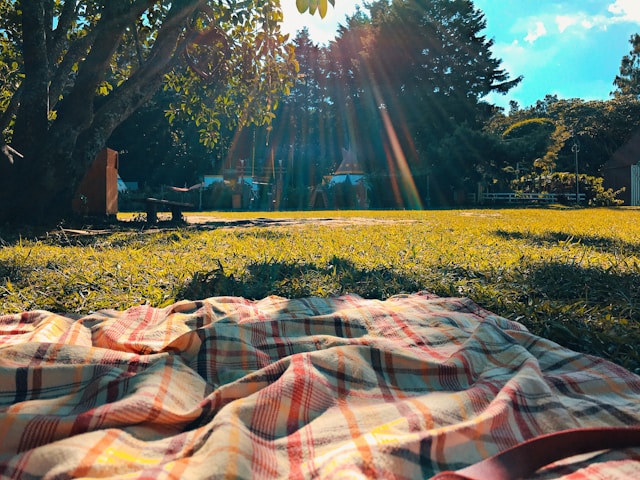
Valencia boasts numerous green spaces that contribute to its sustainability. Turia Gardens is a vast, lush park that runs through the city, offering walking and cycling paths, picnic spots, and places to relax. Spending time in these green areas helps reduce your need for transportation and allows you to enjoy the natural beauty of the city in an eco-friendly way. It is also a perfect activity for those travelling to Valencia with kids.
For a deeper connection with nature, visit the Albufera Natural Park, located just outside Valencia. This protected wetland area is home to diverse wildlife, and you can explore it by foot, bike, or boat. Albufera is a prime example of Valencia’s commitment to protecting its natural environment.
6. Participate in Sustainable Activities
Valencia offers many eco-friendly activities that allow you to experience the city while minimizing your environmental impact. Take part in walking or cycling tours that focus on sustainability, or participate in beach cleanups to help keep Valencia’s coastline pristine.
Travel Sustainably in Valencia
Valtournative’s small-group tours are built around sustainable travel in Valencia. From interacting with locals to visiting small towns at the least disruptive and busy times, their whole model is centered around leaving local places better than they found them. Whether it’s a day out swimming in the natural pools of Montanejos, or discovering the hidden villages nestled in Valencia’s mountains, their tours offer a way to get in touch with the local environment. And, for every guest they receive, they plant a tree!