


Las Fallas, Valencia’s most iconic festival taking place every March, is an explosion of fire, color, and tradition. For one week in March, the city comes together to celebrate, gathering locals and tourists alike for one of Spain’s biggest fiestas. Here’s everything you need to know about Las Fallas, including its history, main events, and tips on how to get around and enjoy this festival to its fullest.
Where Does Las Fallas Come From?
Las Fallas dates right back to the Middle Ages and started off as a simple celebration where Valencian carpenters would burn their excess wood on a bonfire in commemoration of their patron saint, St Joseph. On this day, March 19th, they would also celebrate with their families and friends and share a feast.
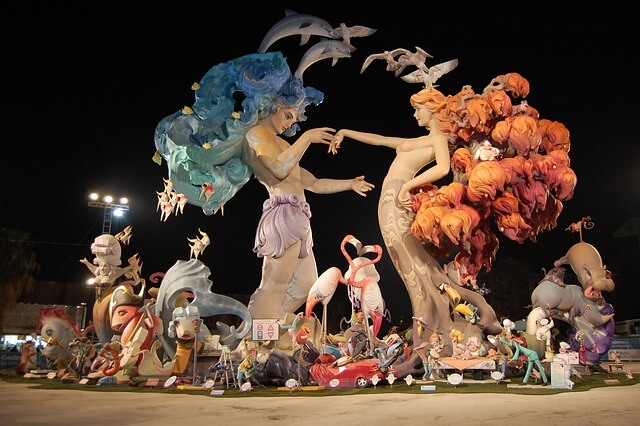
Over time, these simple wooden structures gave way to elaborate figures made from wood and papier mache. Now, you’ll find spectacular works of art, sometimes satirical or political, sometimes just truly beautiful, that are displayed and then burned on March 19th.
What Happens During Las Fallas?
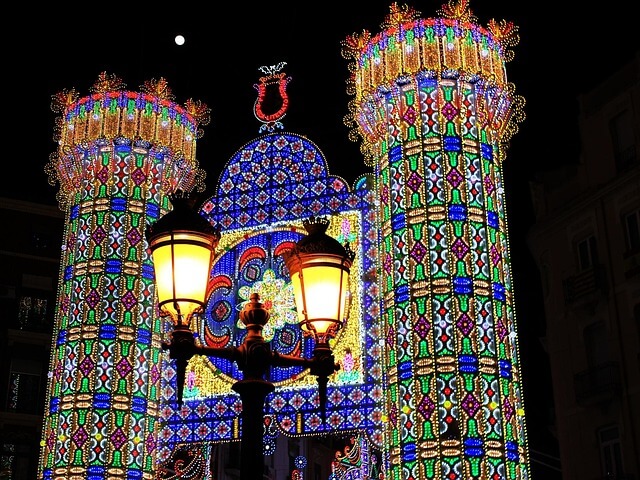
The official dates of Las Fallas are from March 15th – March 19th, although if you’re in the city before those dates you’ll definitely catch part of the action. From music and parades, to fireworks and Mascletàs, there is no shortage of noise or ambiance during these days. You’ll also see ninots (the large wooden sculptures) on every street, filling the streets with art and color.
Key Events of Las Fallas:
- La Crida (End of February): This is the official opening of Las Fallas, usually taking place at the Torres de Serranos. Here, the Fallera Mayor (the queen of the festival) welcomes everyone and invites them to join the celebrations. Generally, this is accompanied by an incredible fireworks display which lights up the whole city.
- La Planta (March 15th): This is the night when the Fallas monuments (the ninots) are officially erected throughout the streets of Valencia. These creative and elaborate sculptures can be up to 30 feet high and are displayed throughout the city’s streets.
- La Mascletà (March 1st-19th): It’s hard to describe a mascletà – a unique and exhilarating combination of pyrotechnics and tons of noise. You can experience this daily event daily at 2pm in the Plaza del Ayuntamiento and soak up the true spirit of Fallas. There are also a couple of midnight mascletàs to look out for during the festivities.
- La Ofrenda (March 17th-18th): During this flower offering procession, thousands of falleros and falleras, dressed in traditional silk costumes, parade through the streets of Valencia to offer flowers to the Virgen de los Desamparados, the patron saint of Valencia. The procession terminates at the Plaza de la Virgen where the flowers are used to create a stunning flower sculpture of the Virgin.
- Els Castells and La Nit del Foc (March 15th-18th): During these dates, there are many different firework displays, each spectacular; but the most impressive one, La Nit del Foc (Night of Fire in Valencian) takes place on March 18th. The display can last up to 20 minutes!
- La Cremà (March 19th): This event is the climax of Las Fallas, where all the ninot monuments throughout the city are set ablaze. The children’s fallas (smaller sculptures) are burned at 10 pm, followed by the larger monuments at midnight. The final falla to be burned is the one in Plaza del Ayuntamiento. The night has a solemn air as it marks the end of the celebrations but the impressive fires are a sight to be seen.
What are the Ninots?
Each Falla community has its own ‘ninot’ – the huge structure made from wood, papier mache and other materials. They are often satirical, political or humorous, sometimes choosing to reflect current events or local issues. The ninots are commissioned by local artists and display some amazing craftsmanship. Each year, one ninot is spared from the flames by public vote and displayed in the Fallas Museum. You can vote for which one you want to save in the leadup to Las Fallas at the ninot exhibition in the City of Arts and Sciences.
Getting Around During Las Fallas
Be warned that the population of the city multiplies during the week of Fallas. Make sure you navigate the large crowds and street closures by following our top tips.
- Public Transport: During Fallas, the metro and buses run extended hours; however, expect big crowds and likely delays. Walking is often the best option for getting around the city center.
- Valenbisi: Valencia’s bike-sharing system can be a convenient way to navigate the city – just watch out for the crowded streets.
- Accommodation: Hotels and Airbnbs fill up well in advance so make sure to get ahead with your bookings. You could also consider staying in neighborhoods further out of the city center for a quieter experience.
How to Celebrate Fallas Like a Local
- Get Ready to Walk: Comfortable shoes are a must as there’ll be plenty of walking and standing. March weather can vary from cool to suddenly very hot to bring layers to be prepared for everything.
- Prepare for the Mascletà: The mascletàs start at 2pm but to secure your spot you should get there at 1pm as it gets packed. The side streets around the Plaza del Ayuntamiento are a good place to watch from. It’s also an intense and very noisy experience, so be prepared!
- Try Traditional Fallas Foods: During Fallas you’ll find churros and buñuelos (pumpkin donuts) stands on every corner of the city! Make sure to try some of these fried treats dipped in chocolate!
- Join in the Festivities: There’s so much to enjoy during Fallas so make sure you get stuck in with the nightly fireworks, the parades, the street parties and the burning of the Fallas, with respect for the local customs.
- Stay Safe: With lots of fires throughout the city during this week, it’s important to stay safe and always follow the local authorities’ guidelines. The city also gets very busy at this time so always keep your belongings close to you and be cautious as you would in any big event.
Why Visit Las Fallas Valencia
Las Fallas is more than just an event; it’s a cultural phenomenon that’s totally specific to Valencia. From the creative and colorful ninots to the deafening mascletà and the emotional climax of La Cremà, Las Fallas offers an experience you’ll never forget. By understanding the history, participating in the events, and celebrating like a local, you can fully immerse yourself in this unique and memorable Valencia event!